October 4, 2026 Post by : Editorial Folklore & Lore
Whin, Furze, and Goss: The Many Names of Scotland's Golden Thorn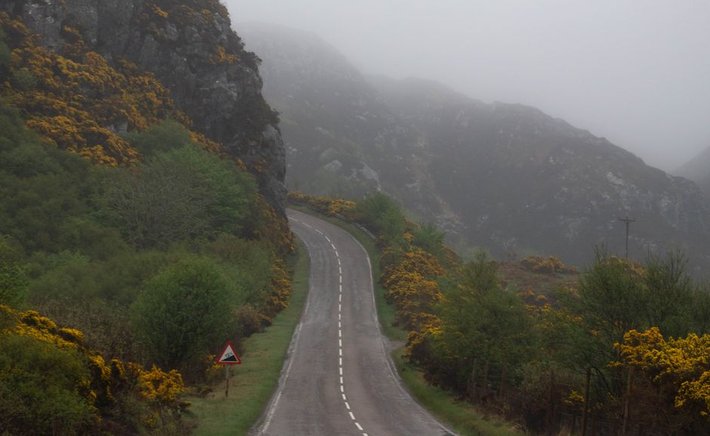
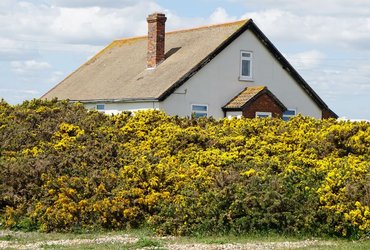
Walk almost any Scottish hillside in late spring and you will meet it: a dense, dark-green thicket studded with flowers so yellow they seem lit from within. Gorse. Some call it whin, some call it furze, and plenty of walkers call it something less polite after brushing against its spines. Yet this stubborn shrub has been woven into Scottish life for centuries, and once you learn to read it, the landscape never looks quite the same again.
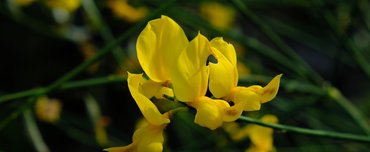
The scent is the first surprise. On a warm afternoon, a bank of gorse smells faintly of coconut and vanilla, a sweetness that seems almost tropical against the backdrop of heather and grey stone. It is a smell many Scots associate with childhood walks, with picnics interrupted by sudden showers, with the first real warmth of the year. The flowers appear in two main flushes, one in spring and another in late summer, though in mild years you will find odd blooms almost any month.
A Plant of Superstition and Protection
Folk tradition across Scotland treats gorse with a mixture of affection and caution. In some places it was considered unlucky to bring the flowers indoors, a rule that echoes similar taboos around hawthorn and elder. The reasoning varied: some said it invited bad luck, others that its sharp spines would prick the goodwill out of a household. Outdoors, though, gorse was seen as a protector. A thick hedge of whin made a formidable boundary, and farmers valued it as a living fence that no livestock would push through.
There is an old saying, repeated in different forms from Galloway to Aberdeenshire, that when gorse is out of bloom, kissing is out of fashion. Since gorse is rarely entirely without a flower somewhere, the joke is that affection, like the whin, never fully goes out of season. It is the kind of wry, hopeful folklore that suits a plant which flowers stubbornly through wind and salt spray.
More Than a Pretty Thorn
Gorse earned its place in rural life through sheer usefulness. The wood, though small, burns fiercely and was prized for heating bread ovens and kilns because it produces intense heat with little smoke. Bundles of whin were used as kindling, and the ashes were spread on fields as a source of potash. In the Highlands, gorse was sometimes used to dye wool, the flowers yielding soft yellows and the bark darker tones.
For foragers, gorse offers quiet rewards. The flowers can be infused into vinegar, turned into a delicate syrup, or steeped for tea, though they should be used sparingly and never confused with broom, which lacks the spines. The buds, pickled, were once a Highland delicacy. Even the coconut scent can be captured, a reminder that Scotland's wild larder is stranger and sweeter than visitors expect.
So next time a gorse bush scratches your leg on a hill path, take a breath and smell the coconut. You are walking through a plant that has warmed hearths, marked boundaries, and carried stories longer than most of the walls around it.
Author

22 feb,2025
This incident opened my eyes to the value of Insurance in general, so I decided to examine my personal and business insurance.



Comment (3)
The payments are made directly from one person to another without passing through a central bank or clearing house.
22 feb,2025
ReplyCoconut on the Wind: The Strange, Sweet Chemistry of Gorse Scent
23 feb,2025
ReplyGorse, Witches, and Wardings: Protective Folklore of the Golden Thorn
23 feb,2025
Reply