September 28, 2026 Post by : Editorial Landscapes & Seasons
A Walk Among the Whins: Finding Solace in Scotland's Coastal Gorse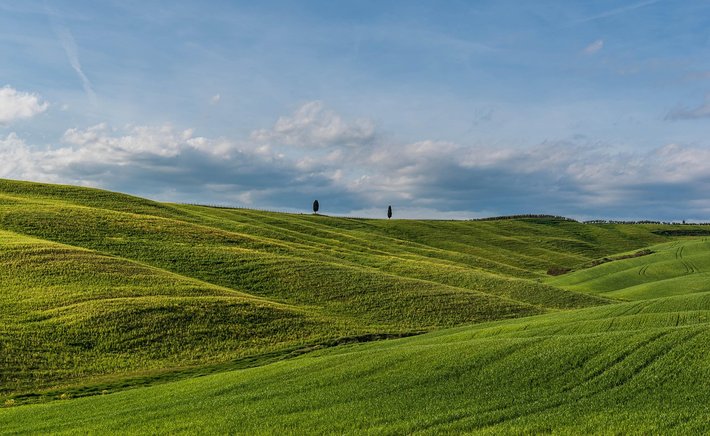
Few plants mark time in Scotland quite like gorse. Where bluebells announce late spring and rowan berries signal autumn's turn, gorse keeps a quieter, more persistent calendar. Its yellow blooms flicker on and off through the year, but there are two moments when whole hillsides seem to catch fire with gold. Learning to read those moments changes how you experience the landscape.
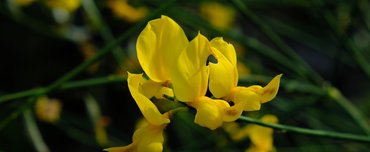
The first flush arrives in late winter and early spring, often before the last frost has passed. This is the bloom that catches you by surprise on a cold walk, a sudden wash of colour against bare branches and brown moorland. It is also the most fragrant, especially on mild, sunny afternoons when the air around a gorse bank turns thick with coconut sweetness. Bees emerging from winter dormancy depend on it, and so do early butterflies such as the peacock and small tortoiseshell.
Spring Gold and Summer Lull
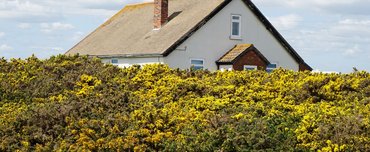
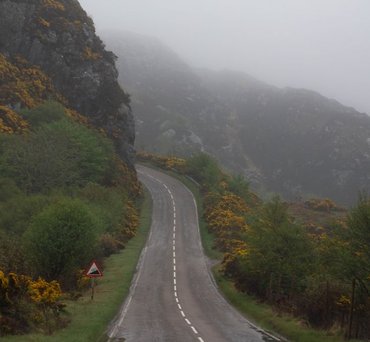
By late May the first flush fades, though scattered bushes will keep flowering wherever conditions suit them. Coastal gorse often holds its blooms longer than inland plants, sheltered from hard frost by the sea's moderating influence. In the west, where rain is frequent and winters mild, you may find gorse flowering almost continuously, a useful reminder that Scotland's climate is far more varied than a single forecast suggests.
Summer is the quiet period for most gorse, though never entirely silent. A bush here, a hedgerow there, will still carry a few flowers, and the scent on a warm July evening can be startlingly strong. The seed pods are ripening now, darkening and hardening, and by late summer they begin to pop audibly in the heat, flinging seeds a surprising distance. It is worth standing beside a gorse patch on a hot day just to listen.
Autumn's Second Fire
The second great flush comes in late summer and early autumn, less showy than the first but no less welcome. As heather turns purple and rowan berries redden, gorse adds its own gold to the mix. This bloom often lasts well into autumn, and in sheltered spots it carries on through mild winters, giving the lie to the old saying about kissing going out of fashion.
For walkers, this calendar offers a gift: there is rarely a month when gorse cannot be found in flower somewhere. That constancy makes it a reliable companion on the hill, a marker of season and weather, a plant that rewards attention across the whole year rather than a single fleeting week. Watch it closely and you will begin to notice how it responds to frost, wind, and sun, and how its flowering shifts from glen to coast, from south-facing banks to shaded edges.
Gorse, in other words, is not just a pretty thorn. It is a clock, a calendar, and a quiet record of the Scottish year.


Author

22 feb,2025
This incident opened my eyes to the value of Insurance in general, so I decided to examine my personal and business insurance.

Comment (3)
The payments are made directly from one person to another without passing through a central bank or clearing house.
22 feb,2025
ReplyCoconut on the Wind: The Strange, Sweet Chemistry of Gorse Scent
23 feb,2025
ReplyGorse, Witches, and Wardings: Protective Folklore of the Golden Thorn
23 feb,2025
Reply