September 7, 2026 Post by : Editorial Seasonal Notes
Gorse in Bloom: A Seasonal Calendar for Scotland's Golden Hedgerows
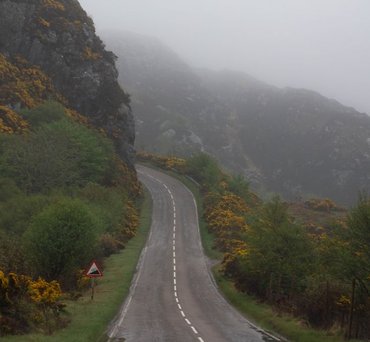
There is a gorse hedge near my house that I have walked past, in one direction or another, for the better part of a decade. It is nothing special — a long, straggling line of whin along a field boundary, with a few hawthorns mixed in and a ditch on one side that runs with water after rain. But because I see it so often, I have started to notice things about it that a single spring visit would never reveal. Gorse does not keep a tidy calendar. It has its own rhythms, and they are worth learning.
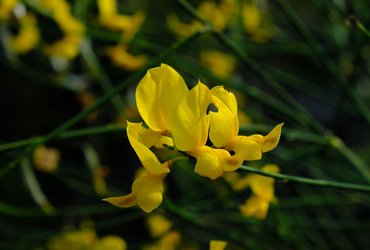
January and February are the quiet months, or so people say. In truth, this is when the first flowers open on the sheltered side of the hedge — small, pale, almost hesitant, as if testing the air. The scent is faint but unmistakable: coconut in the cold. On still, damp mornings the whole hedge seems to hold its breath. Then, in March, the real flush begins. Buds swell, the yellow deepens, and by early April the hedge is a solid wall of gold from end to end.
May is the peak. The scent is almost overwhelming, especially after rain, and the bush is loud with bees. This is the month for foraging — for gorse flower honey, gorse custard, gorse syrup — and for simply standing still and breathing. By June, the first flowers are beginning to fade, but new buds are already forming behind them. Gorse does not bloom all at once and then stop. It blooms in waves, and there is almost always something open somewhere on the bush.
Summer, Autumn, and the Sound of Seed
Through July and August the hedge is greener than gold, but the flowers never disappear entirely. A few open here and there, tucked in the shade, and the scent drifts out when you least expect it. This is also the season of seed pods — small, dark, hairy pods that ripen in the sun and then, on a hot afternoon, burst open with an audible crack, flinging seeds a surprising distance. Walk past a gorse hedge on a warm August day and you will hear it: a quiet, irregular popping, like tiny fireworks.
Autumn brings a second, gentler flush. It is never as dramatic as spring, but on a mild October day the hedge can look almost as bright as it did in May, and the scent returns with it. This is my favourite time to walk the hedge — the light is lower, the air is cooler, and the gorse seems to be making a quiet argument against the coming winter. In November and December, the flowers thin out but rarely vanish. There is almost always a sprig or two open somewhere, even in the frost.
What the Hedge Teaches
Walking the same hedge through a year teaches you patience and attention. It teaches you that 'season' is a rough word, and that plants do not read the same books we do. It teaches you to look at the sheltered side as well as the sunny one, and to notice how a bush changes from one week to the next. It teaches you, above all, that the golden months are not the only ones worth walking in.
If you have a gorse hedge near you, pick a route and walk it once a month for a year. Take notes if you like, or just pay attention. The hedge will not perform for you. It will simply be itself, in all its thorny, golden, contrary glory, and that is more than enough.
Author

22 feb,2025
This incident opened my eyes to the value of Insurance in general, so I decided to examine my personal and business insurance.


Comment (3)
The payments are made directly from one person to another without passing through a central bank or clearing house.
22 feb,2025
ReplyThe Golden Gorse: Scotland's Most Misunderstood Bloom
23 feb,2025
ReplyForaging Gorse Flowers: A Beginner's Guide to the Coconut-Scented Harvest
23 feb,2025
Reply