September 19, 2026 Post by : Editorial Wild Landscapes
Beyond the Flowers: Using Gorse Wood, Ash, and Thorn
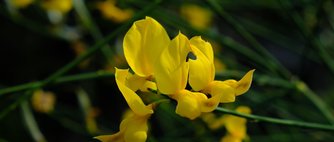
There is a particular stretch of the Fife coast where the gorse grows so thick and bright that the sea air itself seems to turn gold. I first walked it in late April, when the whins were in full blaze and the path was half-tunnelled by their thorny arches. The scent hung heavy in the damp air — coconut and vanilla and something faintly almond-like, warm even when the wind off the Forth was cold enough to sting my ears.
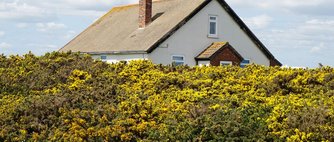
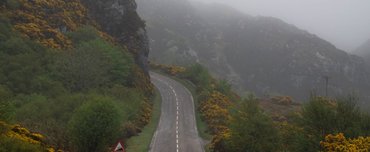
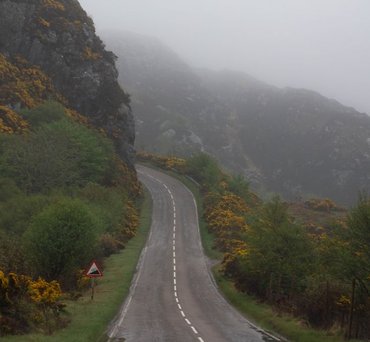
Gorse does not ask permission to grow. It colonises cliff edges, railway cuttings, waste ground, and the thin, sour soils that other plants refuse. Along the Scottish coast it forms dense, impenetrable thickets that shelter stonechats and whitethroats, and in spring the yellow is so intense it looks almost unnatural against the grey-green of the sea. Walking through it feels like stepping into a painting that someone has over-egged the yellows on.
What I love most about these coastal whin bushes is their stubbornness. They are battered by salt spray, bent sideways by prevailing winds, and yet they flower twice a year — once in spring and again, more modestly, in late summer or early autumn. The old rhyme says that when gorse is out of bloom, kissing is out of fashion, and on the coast it is rarely out of bloom for long.
The Folklore of the Coastal Whin
Along the east coast, gorse was once believed to ward off witches and bad luck. Fishermen's wives would sometimes tuck a sprig into a husband's jacket before he went to sea, and bundles of whin were burned in byres on Beltane eve to protect the cattle. In some villages, a gorse bush growing beside a door was left deliberately untrimmed, not out of laziness but out of respect — to cut it was to invite misfortune.
There is also a quieter, more personal folklore. Gorse is a plant of thresholds: cliff paths, field boundaries, the edges of things. To walk among it is to walk along the rim of the world, with the sea roaring somewhere below and the gold pressing in on either side. It is not a comforting landscape in the soft sense, but it is a bracing one, and I have never left it feeling worse than when I arrived.
Walking the Whin in Any Weather
You do not need sunshine to enjoy gorse. Some of my best walks have been in drizzle, when the flowers hold tiny beads of water and the scent rises sharp and clean. Wear long trousers and sleeves — the thorns are unforgiving — and take a slow path rather than a fast one. Stop often. Listen for the crackle of seed pods in late summer, like tiny fireworks, and watch for linnets and yellowhammers flitting between the bushes.
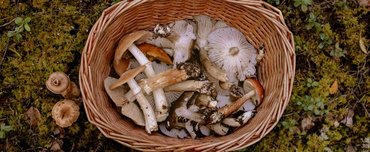
If you are foraging, take only a few flowers from the outermost branches and leave the heart of the bush alone. The whin is a larder for bees, a nursery for birds, and a windbreak for everything downwind of it. Treat it as you would treat any good neighbour: with respect, and without taking more than you need.
Go in spring if you can. Go in a stiff breeze. Go when the sky is doing three things at once, as it so often does here. The gorse will be there, gold against the grey, doing what it has always done — thriving where little else will, and asking nothing of anyone.
Author

22 feb,2025
This incident opened my eyes to the value of Insurance in general, so I decided to examine my personal and business insurance.
Comment (3)
The payments are made directly from one person to another without passing through a central bank or clearing house.
22 feb,2025
ReplyForaging Gorse Flowers: A Beginner's Guide to the Coconut-Scented Harvest
23 feb,2025
ReplyGorse in Bloom: A Seasonal Calendar for Scotland's Golden Hedgerows
23 feb,2025
Reply